Auto SEO for Car Dealerships — Rank for Automotive Keywords
Auto SEO for car dealerships. LeadOS publishes automotive articles weekly so your dealership ranks on Google and drives more showroom visits.
Plans from $29/mo · Cancel anytime
How LeadOS Auto SEO Works
Five steps from setup to Google rankings — all automated.
Connect Your Website
Add two lines of embed code to your site — or connect via Google Search Console. Takes 2 minutes.
AI Researches Your Keywords
LeadOS analyses your business, niche and competitors to identify the highest-value keywords for your industry.
Articles Published Every Week
Our AI writes long-form, expert articles targeting your keywords and publishes them to your website automatically.
Google Indexes Your Content
Every new article is submitted directly to Google's Indexing API so it gets crawled and indexed within 24 hours.
Rankings Grow Over Time
Each article builds topical authority. As more articles accumulate, your site ranks for more keywords and gets more traffic.
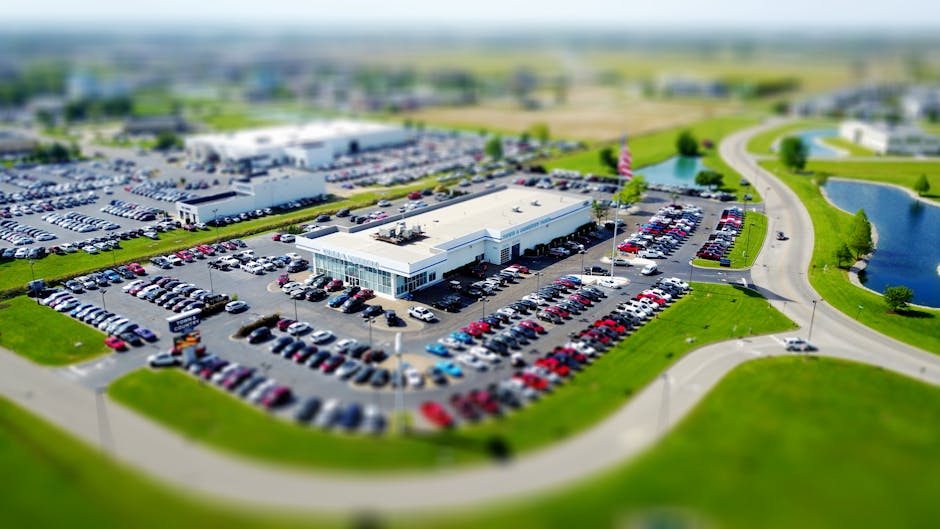
In today's competitive automotive market, car dealerships can't rely solely on showroom foot traffic and traditional advertising to drive sales. Auto SEO for car dealerships has become essential for capturing high-intent buyers actively searching online for vehicles, financing options, and dealership services. By optimizing your digital presence for search engines, you'll attract qualified leads directly to your dealership website, increase showroom visits, and ultimately drive more sales—all while building long-term brand authority in your local market.
Why Auto SEO Matters for Car Dealerships in 2024
The automotive industry has fundamentally shifted. According to recent data, over 88% of car shoppers begin their journey online before ever visiting a dealership. They're searching for specific makes and models, reading reviews, comparing prices, and looking for dealerships in their area. If your car dealership isn't showing up in these search results, you're losing potential customers to competitors who have invested in their online visibility.
Auto SEO for car dealerships isn't just about ranking for generic terms like "used cars near me." It's about capturing intent-rich keywords at every stage of the buying journey. Someone searching for "2024 Honda Accord with low mileage" is further along in their decision-making process than someone searching for "best family sedans." Both are valuable, but they require different content strategies.
The challenge most dealerships face is that they lack the time, expertise, or resources to consistently create optimized content. Traditional dealership websites often have outdated inventory pages, minimal blog content, and little to no strategy for ranking on Google. This is where auto SEO becomes transformative. By publishing targeted, keyword-rich content consistently, your dealership establishes authority, improves visibility, and drives more qualified traffic to your site.
Moreover, search engine rankings compound over time. A dealership that starts publishing SEO-optimized content today will see competitors in their market capture those rankings tomorrow. The dealerships leading their markets right now are those who recognized the importance of SEO years ago. But it's never too late to start. Whether you're a single-location dealership or a multi-store group, auto SEO should be a cornerstone of your digital marketing strategy. The investment pays dividends through consistent lead generation month after month.
Understanding Automotive Keywords and Search Intent
Not all keywords are created equal in the automotive industry. Successful auto SEO for car dealerships requires understanding the different types of searches potential customers make and the intent behind each one. Broadly, automotive keywords fall into several categories: informational, commercial, and transactional searches.
Informational keywords are when someone is early in their research. These searches include phrases like "what to look for when buying a used car," "how to maintain a hybrid vehicle," or "difference between lease and finance." While these searchers aren't ready to buy immediately, they represent potential future customers. Creating content that answers these questions positions your dealership as a trusted resource and builds brand awareness.
Commercial keywords show higher purchase intent. Phrases like "best luxury sedans in [city]," "affordable SUVs with good fuel economy," or "trucks with towing capacity" indicate someone is comparing options and narrowing their choices. This is where many dealerships should focus their SEO efforts because these searches convert better.
Transactional keywords represent the highest intent—someone is ready to act now. Searches such as "buy 2024 Toyota Camry near me," "dealership financing options," or "trade-in value calculator" show active buying intent. Every dealership should rank for as many transactional keywords as possible in their local market.
The key to effective auto SEO for car dealerships is creating a content strategy that addresses all three levels of intent. You need blog posts answering educational questions to capture early-stage shoppers, comparison content for mid-stage buyers, and optimized inventory pages and local landing pages for ready-to-buy customers. This multi-layered approach ensures you're capturing customers regardless of where they are in their buying journey. Tools that combine AI keyword research with automated content creation can dramatically streamline this process, allowing you to identify the most valuable keywords and publish optimized content at scale.
Building an Effective Content Strategy for Dealerships
Creating content consistently is the backbone of auto SEO for car dealerships, yet it's where most dealerships struggle. Between managing inventory, handling customer service, and running daily operations, finding time to write blog posts and optimize pages seems impossible. This is precisely why many dealerships fall behind their competitors in search rankings.
An effective content strategy for dealerships should include multiple content types working together. Inventory pages are obviously crucial—each vehicle listing should be fully optimized with detailed descriptions, high-quality photos, and relevant keywords. But inventory pages alone won't generate the organic traffic you need. You also need blog content that attracts and educates potential customers.
Consider publishing weekly articles about topics your customers care about. This might include how-to guides ("How to Prepare Your Trade-In Vehicle"), buying guides ("Complete Guide to Financing Options at Our Dealership"), maintenance tips ("Seasonal Car Maintenance Checklist"), local market content ("Car Shopping Trends in [Your City]"), or vehicle comparisons ("Honda CR-V vs. Toyota RAV4: Which SUV is Right for You?").
Many dealership groups now publish automotive articles weekly, creating a consistent stream of fresh content that search engines reward with better rankings. This regular publishing schedule signals to Google that your site is active and authoritative, which improves your overall domain authority and helps individual pages rank faster.
Location-based content is particularly powerful for dealerships. Whether you're operating in Dubai, Australia, the UK, or any other market, creating content that speaks to your local audience builds relevance. Articles about local market conditions, regional buying preferences, or area-specific vehicle recommendations help you dominate local search results. For dealership groups with multiple locations, publishing location-specific landing pages and content ensures each location ranks in local searches and captures customers in that area.
The consistency factor cannot be overstated. A dealership that publishes 15 optimized articles per month will see dramatically better results than one that publishes sporadically. Regular publishing keeps your site fresh, provides more pages for search engines to index, and gives you more opportunities to rank for different keywords.
Technical SEO and Local Optimization for Dealerships
Beyond content creation, technical SEO forms the foundation of your dealership's online visibility. Even perfectly written, keyword-optimized content won't rank if your website has technical issues preventing search engines from properly crawling and indexing your pages.
For car dealerships, technical SEO includes ensuring your website loads quickly, works seamlessly on mobile devices, has proper site structure and internal linking, and includes schema markup that helps search engines understand your inventory. Vehicle schema, local business schema, and review schema are particularly important for dealerships. When implemented correctly, these markup types help Google display rich snippets in search results—like star ratings, prices, and availability—which increases click-through rates.
Google Search Console monitoring is non-negotiable for dealerships serious about SEO. This tool shows which keywords your site ranks for, your average position, click-through rates, and any indexing issues. By regularly reviewing this data, you can identify opportunities to optimize underperforming pages and double down on content that's already working.
Local SEO is especially critical for car dealerships since most customers search for vehicles in their specific geographic area. Optimizing your Google Business Profile is essential—ensure your dealership name, address, phone number, and hours are accurate and consistent across all online platforms. Encourage satisfied customers to leave reviews on Google, as these significantly impact your local rankings and influence potential customers' buying decisions.
Geographic considerations matter based on your location. A dealership in Dubai faces different market dynamics than one in the UK or Australia, but the SEO fundamentals remain the same. Local link building—getting mentioned on local business directories, community sites, and automotive publications—strengthens your local authority. For multi-location dealerships, each location should have its own optimized Google Business Profile and dedicated landing pages targeting local keywords.
Indexing speed also impacts SEO performance. Modern SEO platforms now use Google's Indexing API to submit new content directly to Google, significantly reducing the time between publishing and indexing. This is crucial for dealerships publishing frequent content—you want new articles and updated inventory pages indexed as quickly as possible so they can start ranking and driving traffic immediately.
Integrating SEO with Your Dealership CRM and Sales Process
Auto SEO for car dealerships becomes exponentially more valuable when integrated with your customer relationship management system. Driving traffic to your website is only half the battle—converting that traffic into leads and customers is what matters.
When someone finds your dealership through search results and lands on your website, you need systems in place to capture their information and nurture them toward a purchase. This is where a CRM becomes essential. Modern all-in-one platforms combine SEO capabilities with comprehensive CRM functionality, allowing you to manage the entire customer journey from first click through sale.
Think about the typical customer journey. Someone searches for vehicles online, finds your website through organic search, browses inventory, and wants to learn more. Rather than just leaving their information on a basic contact form, they can engage with your dealership through multiple channels. WhatsApp integration allows customers to message directly from their mobile devices—meeting them where they already communicate. Instagram and Facebook inbox integration captures leads from social media inquiries in one centralized location.
An AI chatbot can immediately answer common questions about financing, inventory, trade-in values, and scheduling test drives, keeping customers engaged even outside business hours. This captures information about their interests and preferences, which your sales team can use to personalize their follow-up. Pipeline management features then ensure no lead falls through the cracks—your team can track each customer's progress from inquiry through showroom visit to purchase.
This integrated approach transforms your dealership's ability to convert organic traffic. You're not just ranking for keywords; you're creating a seamless experience that captures, nurtures, and converts potential customers. The data from these interactions also provides valuable insights into customer preferences and buying patterns, which can inform your content strategy and inventory decisions.
Dealerships using this integrated approach report significant improvements in lead quality and conversion rates. By combining SEO to drive traffic with CRM tools to manage that traffic, you create a complete ecosystem for customer acquisition. The sales team gets better leads from organic search, they have more information about each prospect, and they can respond faster and more effectively.
Measuring ROI and Scaling Your Auto SEO Efforts
For dealership managers and owners justifying SEO investment, proving return on investment is crucial. Fortunately, SEO's impact is highly measurable. By tracking organic traffic, lead generation, and ultimately showroom visits and sales attributable to SEO, you can quantify the value this strategy brings to your dealership.
Start with baseline metrics. How much organic traffic does your dealership website currently receive? How many leads come through organic search monthly? What's the conversion rate from lead to showroom visit? These baseline numbers provide context for the improvements you'll see as your SEO efforts mature. Most dealerships implementing consistent SEO strategies see traffic increases of 50-200% within the first three to six months, with even larger gains over a full year.
Ranking improvements compound. As your dealership publishes more optimized content and builds authority, you'll begin ranking for increasingly valuable keywords. A dealership that ranks in the top three search results for its primary market's high-intent automotive keywords can expect a dramatic increase in qualified leads. Track your rankings over time using Google Search Console data to visualize this progression.
Scaling your auto SEO efforts is about consistency and capacity. A dealership publishing 15 optimized articles monthly will reach market saturation faster than one publishing 45 articles monthly. The scale depends on your budget and goals. Some dealerships start with foundational content covering their most important keywords, then expand their efforts as they see results. Others take a more aggressive approach from the beginning.
The beauty of modern SEO platforms is they enable small dealership teams to execute large-scale SEO strategies. AI-powered keyword research identifies your most valuable target keywords automatically. Automated article writing generates fully optimized content based on those keywords. Submission to Google and monitoring of rankings happens in the background. What once required a dedicated SEO specialist or expensive agency can now be managed by one person in your dealership.
As you scale, you should see not just increased traffic but increased lead quality. SEO attracts customers already interested in vehicles, which means higher quality leads compared to cold outreach. These leads have higher conversion rates and often result in more satisfied customers since they've already done their research and understand your dealership's offerings. Over time, this compounds into a significant competitive advantage—your dealership becomes the top result when local customers search for vehicles, and that dominance generates consistent revenue month after month.
Auto SEO for car dealerships is no longer optional—it's a fundamental requirement for competing in today's digital automotive market. By implementing a comprehensive SEO strategy that combines keyword research, consistent content creation, technical optimization, and integrated CRM functionality, your dealership can attract more qualified leads, increase showroom visits, and drive sustainable sales growth. LeadOS makes this accessible and affordable with its all-in-one AI CRM and auto SEO platform, enabling dealerships of any size to publish optimized content weekly, rank for automotive keywords, and convert organic traffic into customers. Ready to see how auto SEO can transform your dealership's online presence? Try LeadOS for 7 days for just $5 and discover why dealerships across the globe are using our platform to dominate their local search results.
Everything Included in Auto SEO
AI Keyword Research
Finds the highest-value keywords for your exact business niche automatically.
Expert Article Writing
Long-form, 1,500–3,000 word articles written by AI trained on your industry.
Automatic Publishing
Articles appear on your website automatically every week — no manual upload.
Google Indexing API
Every article submitted to Google's Indexing API within 24 hours of publishing.
Backlink Building
Monthly directory submissions to high-authority sites to grow your domain authority.
GSC Monitoring
Connected to Google Search Console to track rankings and clicks in real time.
Featured Images
AI selects and adds relevant featured images to every article automatically.
Any Website
Works on WordPress, Wix, Squarespace, Shopify, Site123 — any website with custom HTML.
Local SEO
Articles target your city, suburb and region to rank in local Google searches.
Simple, Transparent Pricing
Simple monthly pricing. Cancel anytime.
Frequently Asked Questions
What automotive keywords should car dealerships focus on for SEO?
Car dealerships should target a mix of local and competitive keywords including location-based terms (e.g., "used cars in [city]"), vehicle-specific searches (e.g., "2024 Toyota Camry near me"), and service keywords (e.g., "auto repair" or "car maintenance"). LeadOS auto SEO strategies help dealerships identify and rank for high-intent keywords that drive qualified leads, combining long-tail local searches with branded comparisons that convert browsers into buyers.
How long does it take to see SEO results for a car dealership website?
Most car dealerships begin seeing measurable SEO improvements within 6-12 weeks, though competitive local markets may take 3-4 months to show significant ranking gains. LeadOS accelerates this timeline by consistently publishing 15-45 optimized articles monthly with strategic backlinks, creating compounding authority that helps dealership sites climb rankings faster than sporadic content efforts.
Why is auto SEO different from general dealership marketing?
Auto SEO requires specialized knowledge of automotive intent, local search algorithms, vehicle inventory optimization, and dealership-specific competition dynamics—it's fundamentally different from broad business marketing. LeadOS focuses exclusively on auto industry SEO, meaning every article, backlink, and strategy is tailored to how car shoppers search and what search engines reward in the automotive vertical.
Does auto SEO work for both new and used car dealerships?
Yes, auto SEO benefits both new and used car dealerships, though strategies differ slightly—used car dealers often benefit more from long-tail, inventory-based keywords while new car dealers compete on brand and model searches. LeadOS auto SEO plans are flexible and work on any dealership website, scaling from single-location dealers to multi-location groups with 15-45 articles and 5-13 backlinks monthly based on your plan tier.
How does auto SEO for car dealerships differ from paid advertising like Google Ads?
While Google Ads deliver immediate visibility at a per-click cost, auto SEO builds long-term organic authority that continues generating free traffic months and years after publication—making it more cost-effective for sustained growth. LeadOS combines both strategies by creating SEO-optimized content that improves your organic rankings, reducing your long-term ad spend dependency while establishing your dealership as an authority in local automotive search results.
Start Ranking on Google This Week
Join businesses already using LeadOS to publish weekly SEO articles and grow their organic traffic automatically.
Start Ranking on GooglePlans from $29/mo · Cancel anytime