SEO Analytics Automation — Track Rankings Without Lifting a Finger
Automated SEO analytics. LeadOS tracks your Google rankings, article performance and traffic growth — all inside one dashboard.
Plans from $29/mo · Cancel anytime
How LeadOS Auto SEO Works
Five steps from setup to Google rankings — all automated.
Connect Your Website
Add two lines of embed code to your site — or connect via Google Search Console. Takes 2 minutes.
AI Researches Your Keywords
LeadOS analyses your business, niche and competitors to identify the highest-value keywords for your industry.
Articles Published Every Week
Our AI writes long-form, expert articles targeting your keywords and publishes them to your website automatically.
Google Indexes Your Content
Every new article is submitted directly to Google's Indexing API so it gets crawled and indexed within 24 hours.
Rankings Grow Over Time
Each article builds topical authority. As more articles accumulate, your site ranks for more keywords and gets more traffic.
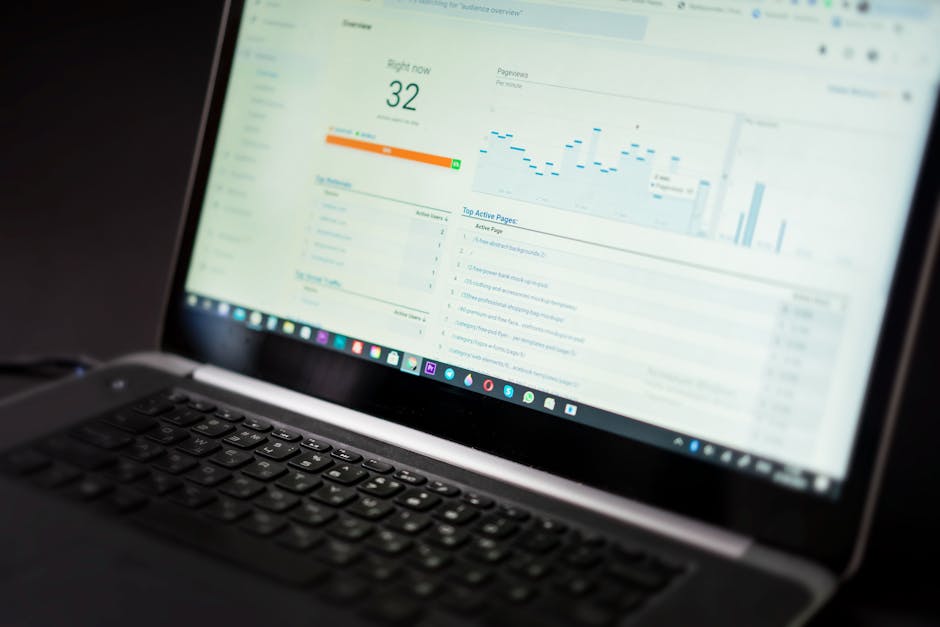
SEO analytics automation is transforming how businesses track, measure, and optimize their online visibility without manual intervention. Instead of spending hours compiling data from multiple sources, modern platforms use artificial intelligence to continuously monitor your search rankings, analyze article performance, and track traffic growth—delivering actionable insights directly to your dashboard. For businesses ranging from dental practices and salons to real estate agencies and restaurants, this shift from manual reporting to automated intelligence represents the difference between staying competitive and falling behind in an increasingly data-driven digital landscape.
What Is SEO Analytics Automation and Why It Matters
SEO analytics automation refers to the use of artificial intelligence and integrated software systems to continuously collect, analyze, and report on your website's search engine performance without requiring manual data compilation. Traditionally, SEO professionals would log into Google Search Console, check Google Analytics, review ranking positions across multiple tools, and compile everything into spreadsheets or reports—a process that could consume hours each week. With SEO analytics automation, all of this happens in real-time, with the system continuously monitoring your keyword rankings, tracking how your articles perform in search results, measuring traffic attribution, and flagging opportunities or issues as they emerge.
The importance of this automation has never been greater. Search engines update their algorithms constantly, competitors are optimizing aggressively, and user behavior shifts rapidly across different markets and industries. A dental practice in Dubai competing for local search visibility needs to know within hours if their ranking for "emergency dentist near me" has dropped, not days later when they manually check their metrics. A real estate agent in Australia needs to understand which property listings are driving actual traffic and conversions, not just which pages exist. A restaurant coach helping multiple clients needs to track performance across dozens of websites simultaneously—something that becomes impossible without automation.
Moreover, SEO analytics automation democratizes data access across your entire organization. Instead of insights being locked away with your SEO specialist, everyone from your marketing team to your sales department to your leadership can access real-time performance data through an intuitive dashboard. This transparency drives better decision-making, faster pivots, and more aligned strategy across all departments. When your team sees that a particular article is ranking for high-intent keywords driving qualified leads, they understand why SEO matters. When they see traffic declining for a critical service page, they can act immediately rather than waiting for a monthly report.
The Traditional Manual Approach vs. Automated Intelligence
The old way of doing SEO analytics required significant time investment and technical expertise. An SEO professional would need to export data from Google Search Console, manually record keyword positions from various ranking checker tools, cross-reference this with Google Analytics to understand traffic patterns, analyze competitor movements, and then synthesize all of this information into insights and recommendations. For a business managing just five or ten target keywords, this might take a few hours monthly. For an agency managing multiple client sites, or a large company tracking hundreds of keywords across different service categories, this manual process could easily consume 20-40 hours per month.
This manual approach created several critical problems. First, the data was always delayed—by the time you analyzed last month's performance, the current month was halfway through, making real-time optimization impossible. Second, humans are prone to analysis paralysis and error. With so much data to process, important trends could be missed or misinterpreted. Third, the process wasn't scalable. As your website grew and you targeted more keywords, the manual effort increased exponentially. Fourth, manual reporting consumed resources that could have been spent on actually improving your website, creating content, or building backlinks.
SEO analytics automation inverts this entire equation. Instead of looking backward at historical data, automated systems provide forward-looking intelligence. Rather than waiting for a human to notice patterns, algorithms detect anomalies and opportunities instantly. The system scales effortlessly whether you're tracking 10 keywords or 10,000. Most importantly, it frees your team to focus on strategic optimization rather than data compilation. For industries like clinical healthcare, where practitioners are already stretched thin, or salons managing multiple locations, this shift from manual reporting to automated intelligence isn't just convenient—it's essential for remaining competitive while maintaining focus on actual business operations.
Key Metrics You Should Automate Tracking For
Effective SEO analytics automation requires tracking the right metrics—those that actually correlate with business outcomes. The metrics that matter most depend on your business model, but several stand out as universally important. Keyword rankings across your target terms represent your visibility in search results, showing whether you're moving up or down for the phrases your ideal customers are using. An automated system should track these rankings daily or weekly, alerting you when significant changes occur. For a dental clinic tracking rankings for procedures like "cosmetic dentistry" or "teeth whitening," knowing immediately when you've moved from position 8 to position 3 enables faster action if you've dropped unexpectedly.
Organic traffic volume shows the actual visitor flow driven by search engines to your website. This metric matters because not all rankings are created equal—a ranking for a high-volume, high-intent keyword might drive hundreds of qualified visitors, while a ranking for a related term might drive only a handful. Click-through rates (CTR) reveal what percentage of people searching for your keywords actually click through to your site. Your title tag and meta description significantly influence this, and automated monitoring helps you identify underperforming snippets worth optimizing. For a real estate website, understanding that your listings for "apartments for rent Sydney" have a 3% CTR versus a 12% CTR for similar listings tells you exactly where to focus optimization efforts.
Article performance metrics track how individual pieces of content perform in search results, showing which topics resonate with search engines and users alike. This automation reveals which of your published articles are driving traffic, which are ranking but not getting clicks, and which have completely failed to gain traction. Conversion tracking ties search performance to actual business results—whether leads, sales, or other meaningful actions. A restaurant tracked through an automated system might discover that while their "menu" page ranks well, the "reservation" page drives significantly more conversion value, suggesting where to invest optimization effort. Backlink metrics track your link profile growth, showing which new links are directing traffic and which external sites are sending you the most authority. By automating this tracking, you avoid the trap of chasing vanity metrics and instead focus on links that actually impact your search visibility and referral traffic.
How SEO Analytics Automation Actually Works
Modern SEO analytics automation platforms operate by connecting to multiple data sources through APIs and intelligent crawling. When you set up an automated system like LeadOS, you first integrate it with your website and connect it to Google Search Console, which provides official search impression and click data directly from Google. The platform then establishes a baseline of your current keyword rankings, traffic patterns, and content performance. From that point forward, the system continuously works in the background, automatically checking your rankings for target keywords, monitoring your Google Search Console data for new opportunities and issues, crawling your website to track content changes, and collecting traffic data to measure performance.
The automation extends beyond simple data collection into intelligent analysis. Machine learning algorithms analyze patterns in your data, identifying correlations between actions you've taken (like publishing a new article or acquiring a backlink) and changes in your rankings or traffic. The system recognizes seasonal patterns, competitive shifts, and emerging opportunities that would take humans weeks to identify manually. When you publish an article, the system automatically indexes it using Google's Indexing API, monitors when it appears in search results, tracks its climb through the rankings, and measures the traffic it generates over time. If performance lags expectations, the system might flag this for human review or even suggest optimization strategies based on your competitors' approaches.
For teams using comprehensive platforms like LeadOS, the automation goes even deeper. The AI-powered system not only analyzes your SEO analytics but also integrates this data with your customer relationship management (CRM) system, creating a complete picture of how search visibility connects to actual customer acquisition. When a dental practice sees that their "teeth cleaning cost" article ranks well and attracts traffic, the automation can track whether that traffic converts to appointment bookings, helping the practice understand true return on investment. This integration of SEO analytics with CRM and marketing automation creates a unified intelligence system where data flows seamlessly across all customer-facing operations. For agencies, coaches, or multi-location businesses, this centralized automation across multiple websites through one dashboard fundamentally changes how they operate.
Implementing SEO Analytics Automation in Your Business
Implementing SEO analytics automation doesn't require a complete website overhaul or extensive technical expertise, particularly with modern all-in-one platforms designed for businesses of all sizes. The first step involves selecting a platform that fits your needs, business model, and budget. Consider whether you need basic ranking tracking or a comprehensive system that combines SEO analytics automation with content creation, backlink building, and customer relationship management. Platforms often offer different tiers depending on your scale—for example, starter plans might include tracking 15 optimized articles per month and acquiring 5 quality backlinks, while growth plans expand to 30 articles and 10 backlinks, with enterprise options handling 45 articles and 13 backlinks monthly. This scaling matches the reality that as your business grows, your SEO needs expand accordingly.
Once you've selected your platform, implementation involves connecting your website and Google Search Console account, defining your target keywords and service areas, and establishing baseline metrics. The system needs to understand your business—whether you're a salon in Melbourne, a real estate agency in London, a coaching practice serving international clients, or a restaurant group with multiple locations. The platform should work seamlessly with your existing website technology, whether that's WordPress, Wix, Squarespace, Shopify, or Webflow. This compatibility ensures that automation enhances your current workflow rather than creating additional complexity. Most modern platforms now offer straightforward integrations and setup wizards that guide you through this process without requiring technical support.
The real implementation challenge isn't technical—it's organizational. SEO analytics automation only delivers value if your team actually uses the insights it provides. This requires establishing workflows where dashboards are checked regularly, alerts trigger action, and recommendations are evaluated against business priorities. For teams accustomed to receiving monthly reports, this shift to continuous monitoring and real-time decision-making represents a meaningful change in working style. The solution is training your team on the platform, establishing clear ownership of SEO analytics reviews, and creating accountability around acting on the intelligence the system provides. When a coaching practice using automated analytics sees that one client's website is ranking for high-intent keywords but another isn't, that insight should immediately trigger different strategies for each client. When a dental practice sees their ranking drop for a critical service page, the automation should trigger a review meeting within 48 hours.
SEO Analytics Automation for Different Industries
The value of SEO analytics automation manifests differently depending on your industry, because different businesses measure success through different customer journey stages. For healthcare businesses like dental practices and clinics, SEO analytics automation reveals patient acquisition patterns at scale. A clinic using automated tracking might discover that their "wisdom tooth extraction" article attracts significant traffic but converts at a lower rate than their "dental implants" article, suggesting a difference in search intent. This intelligence enables the clinic to create more targeted content addressing different patient decision stages—awareness content for people still researching whether extraction is necessary, and decision-stage content for people ready to schedule surgery. The automation tracks these patterns across multiple article categories, helping the clinic allocate their limited content creation resources toward highest-ROI topics.
For real estate professionals, SEO analytics automation transforms how they understand property listing visibility and lead quality. An agent or agency using automated tracking sees which properties appear in search results, which queries drive qualified buyers to those listings, and which properties receive the most search visibility relative to comparable homes in their market. This data helps them understand how their listings are marketed against competitors and where optimization might improve showings. Across multiple locations—whether real estate offices in Sydney, Dubai, London, or other markets—automated analytics reveal geographic patterns in search demand and competitive intensity, helping agents focus on highest-opportunity markets.
For service-based businesses like salons, restaurants, and coaching practices, automation reveals local search performance and service-specific demand patterns. A salon can see which services generate search interest, which queries bring customers nearby, and which competitors they're most visible against. A restaurant using automated SEO analytics can track which menu items or service offerings generate search interest in their community, informing both their digital content and actual business operations. A coach managing multiple clients can track each client's search visibility across their specific niches and geographies, identifying which strategies work best in different markets. Across all these use cases, the common thread is that SEO analytics automation transforms raw data into actionable business intelligence, enabling better decisions aligned with actual market demand and competitive positioning. When these automated insights connect to CRM systems tracking customer acquisition, businesses gain unprecedented clarity on how search visibility translates to actual revenue growth.
SEO analytics automation represents a fundamental shift in how businesses understand and optimize their online visibility—from reactive, manually-compiled reports to proactive, real-time intelligence systems. Rather than spending hours compiling data from multiple sources, modern automated systems continuously monitor your rankings, track article performance, measure traffic growth, and surface actionable insights through unified dashboards. If you're ready to stop lifting a finger to track your SEO performance and start making data-driven decisions in real-time, try LeadOS for just $5 for 7 days to experience how AI-powered SEO analytics automation, combined with automated content creation, backlink building, and integrated CRM functionality, can transform your search visibility and customer acquisition—whether you're a dental practice, salon, real estate agency, restaurant, coaching business, or any organization competing for search visibility.
Everything Included in Auto SEO
AI Keyword Research
Finds the highest-value keywords for your exact business niche automatically.
Expert Article Writing
Long-form, 1,500–3,000 word articles written by AI trained on your industry.
Automatic Publishing
Articles appear on your website automatically every week — no manual upload.
Google Indexing API
Every article submitted to Google's Indexing API within 24 hours of publishing.
Backlink Building
Monthly directory submissions to high-authority sites to grow your domain authority.
GSC Monitoring
Connected to Google Search Console to track rankings and clicks in real time.
Featured Images
AI selects and adds relevant featured images to every article automatically.
Any Website
Works on WordPress, Wix, Squarespace, Shopify, Site123 — any website with custom HTML.
Local SEO
Articles target your city, suburb and region to rank in local Google searches.
Simple, Transparent Pricing
Simple monthly pricing. Cancel anytime.
Frequently Asked Questions
What exactly is SEO analytics automation and how does it differ from manual tracking?
SEO analytics automation uses software to continuously monitor your keyword rankings, traffic metrics, and backlink performance without requiring manual daily or weekly checks. Instead of logging into multiple tools and compiling reports by hand, automation platforms like LeadOS collect and organize this data automatically, saving you hours each month while ensuring you never miss ranking changes or opportunities. The key difference is consistency—automated systems track metrics 24/7, whereas manual tracking is often sporadic and incomplete.
How long does it typically take to see results from automated SEO analytics tracking?
Most websites begin seeing meaningful data patterns within 2-4 weeks of setting up SEO analytics automation, though significant ranking improvements usually take 8-12 weeks depending on competition and content quality. LeadOS accelerates this timeline by automating both tracking and content generation—its Auto SEO plans create 15-45 articles monthly alongside automated backlink building, allowing you to compound results faster. The automation itself provides immediate value by giving you daily visibility into performance trends you'd otherwise miss.
Can SEO analytics automation work for any type of website, or does it have limitations?
SEO analytics automation works effectively on virtually any website—ecommerce sites, blogs, SaaS platforms, local businesses, and more—because ranking tracking and analytics are universal SEO needs. LeadOS is designed to work on any website regardless of size or industry, with flexible plans ranging from $29-$79 monthly that scale with your content needs. The only real limitation is that automation is most effective when paired with quality content strategy, which is why LeadOS combines tracking with automated article and backlink generation.
Why should I automate SEO analytics instead of using Google Search Console manually?
While Google Search Console is free and valuable, it only shows data you actively check and lacks competitive benchmarking, historical trend analysis, and actionable ranking predictions that automated platforms provide. SEO analytics automation tools aggregate data from multiple sources, send alerts when rankings drop, and identify quick-win opportunities—functions that would take hours to replicate manually each week. LeadOS goes further by combining automated tracking with automated optimization, generating the content and backlinks needed to actually improve the rankings you're monitoring.
Does SEO analytics automation require technical knowledge to set up and maintain?
Most modern SEO analytics automation platforms, including LeadOS, are designed for non-technical users and typically require just a few clicks to connect your website and start tracking. Once configured, the system runs on its own with no ongoing technical maintenance needed—you simply review automated reports and insights. LeadOS makes this even simpler with a 7-day trial for just $5, allowing you to test the full automation setup before committing to a monthly plan.
Start Ranking on Google This Week
Join businesses already using LeadOS to publish weekly SEO articles and grow their organic traffic automatically.
Start Ranking on GooglePlans from $29/mo · Cancel anytime