SEO for New Websites — How to Get a New Site Ranking Fast
SEO for new websites. LeadOS publishes consistent weekly articles from day one, helping new websites build authority and rank on Google faster.
Plans from $29/mo · Cancel anytime
How LeadOS Auto SEO Works
Five steps from setup to Google rankings — all automated.
Connect Your Website
Add two lines of embed code to your site — or connect via Google Search Console. Takes 2 minutes.
AI Researches Your Keywords
LeadOS analyses your business, niche and competitors to identify the highest-value keywords for your industry.
Articles Published Every Week
Our AI writes long-form, expert articles targeting your keywords and publishes them to your website automatically.
Google Indexes Your Content
Every new article is submitted directly to Google's Indexing API so it gets crawled and indexed within 24 hours.
Rankings Grow Over Time
Each article builds topical authority. As more articles accumulate, your site ranks for more keywords and gets more traffic.
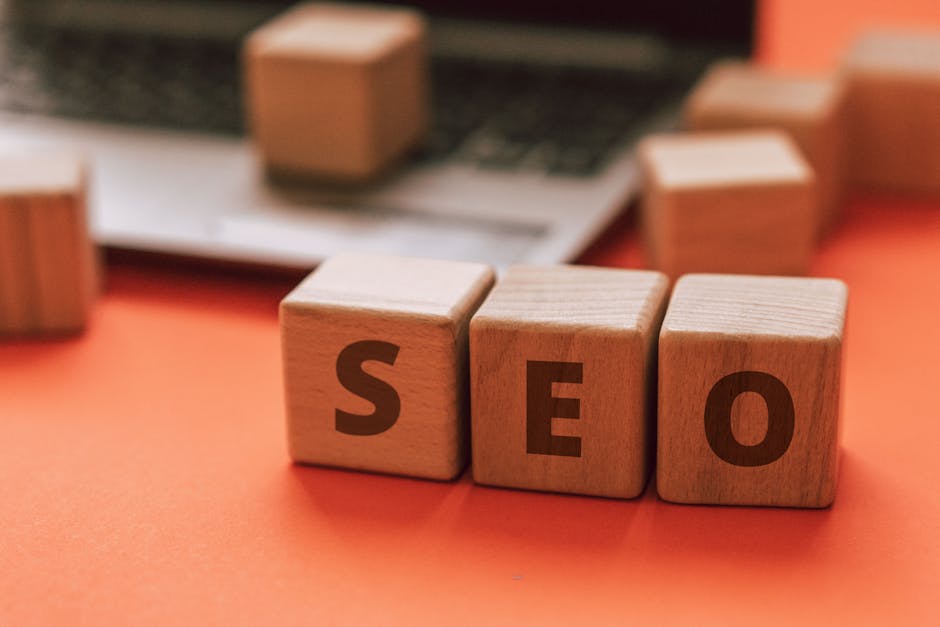
Getting a new website to rank on Google is one of the most challenging aspects of launching an online presence. While established websites benefit from years of authority and backlinks, new sites face what's known as the 'sandbox effect'—a period where Google takes time to trust and index your content. However, with the right SEO strategy from day one, you can dramatically accelerate your ranking timeline and start generating organic traffic within months rather than years. This guide walks you through the essential steps for SEO for new websites, plus how modern automation tools can help you build authority faster than ever before.
Why New Websites Face Unique SEO Challenges
When you launch a new website, you're starting from zero in Google's eyes. The search engine has no historical data about your site's trustworthiness, no established backlink profile, and no track record of publishing quality content. This creates a bootstrapping problem that many business owners underestimate. Unlike an established brand that can publish one article and see results within days, new websites typically need several months of consistent, high-quality content before they see meaningful organic traffic.
The challenge is compounded by the fact that Google's algorithms prioritize expertise, authoritativeness, and trustworthiness—concepts collectively known as E-A-T. A brand new dental practice website, for example, will struggle to rank for competitive keywords like 'best dentist near me' against established local practices that have accumulated reviews, citations, and backlinks over years. Similarly, a new real estate agent's website faces an uphill battle against brokers with established domain authority and extensive content libraries.
But here's the encouraging truth: these challenges aren't insurmountable. The key is understanding that SEO for new websites requires a different approach than optimizing an existing site. You need to prioritize consistent content publication, strategic backlink building, and technical SEO excellence from the very beginning. The first 90 days of a new website's life are critical. This is when you establish your publishing rhythm, build initial domain authority, and signal to Google that you're a legitimate, active entity worth indexing and ranking. Many successful businesses—from coaches to restaurants to salons—have discovered that starting with a solid SEO foundation actually gives them a competitive advantage against lazier competitors who neglect search optimization.
The Content Consistency Factor: Publishing from Day One
One of the most overlooked aspects of SEO for new websites is the importance of publishing frequency and consistency. Google's algorithms don't just evaluate individual pieces of content; they also assess how actively a domain is publishing. A website that publishes one article and then goes silent for three months sends very different signals than one that publishes weekly, without fail.
This is where many new website owners stumble. They might publish a handful of pages when launching the site, then get distracted by other business priorities. Meanwhile, their competitors are steadily building content libraries and accumulating backlinks. By the time they return to SEO, they've lost valuable momentum, and Google has essentially deprioritized their domain.
The solution is establishing a consistent publishing cadence and sticking to it. For new websites in competitive niches—whether you're a dental clinic in Dubai, a real estate agent in Australia, a restaurant in London, or a coach anywhere globally—publishing at least weekly is the minimum viable frequency. This consistency serves multiple purposes. First, it gives Google new content to crawl and index regularly, signaling that your site is active and maintained. Second, each new article is an opportunity to target different keywords and capture long-tail search traffic. Third, consistent publishing builds a larger content corpus faster, which collectively creates a stronger topical authority signal.
LeadOS solves this challenge through automated article writing and publishing. The platform's AI generates SEO-optimized articles based on keyword research, and the Starter plan publishes 15 articles monthly, while the Growth plan delivers 30 articles, and the Scale plan provides 45 articles per month. This means even if you're swamped running your business, fresh, optimized content goes live automatically every week. For new websites, this consistency is transformational—you're building authority at a pace that would take most businesses months or years to achieve manually.
Building Authority Through Strategic Backlinks
Content alone isn't enough. Google still heavily weights backlinks as a ranking factor, and this is particularly important for new websites trying to establish domain authority quickly. A backlink is essentially a vote of confidence from another website, and Google uses these votes to determine which sites are credible and authoritative within their industry.
For SEO for new websites, the backlink challenge is real. You don't have the existing relationships or reputation that older sites have built over time. A new dental practice website, for instance, might struggle to get featured on health and wellness blogs that naturally link to established practices. Similarly, new real estate agents don't have the media mentions and directory listings that established brokers accumulate organically.
This is where strategic backlink building becomes essential. Rather than waiting for backlinks to happen naturally, successful new websites pursue them deliberately. This might include reaching out to industry directories, local business listings, relevant associations, and potential partners for link opportunities. For a salon launching in a new market, this could mean getting listed on beauty directories and getting featured in local lifestyle blogs. For a restaurant, it means optimizing Google Business Profile listings and getting reviewed on platform sites. For a coach or consultant, it means contributing guest posts to industry publications and getting mentioned in relevant communities.
LeadOS includes backlink building as part of its Auto SEO service, providing 5 backlinks monthly on the Starter plan, 10 on the Growth plan, and 13 on the Scale plan. These aren't low-quality directory submissions—they're strategically built links from relevant domains that actually improve your site's authority. Combined with the consistent content publication, this dual approach accelerates the typical timeline for new websites significantly. Instead of waiting 6-12 months to see meaningful results, many LeadOS users report seeing page-one rankings within 2-4 months for moderately competitive keywords.
Technical SEO: Getting the Foundation Right from the Start
While content and backlinks grab most of the attention in SEO discussions, technical SEO is equally critical for new websites. In fact, getting technical SEO right from day one is often easier for new sites than fixing technical problems on established ones that have accumulated years of technical debt.
Technical SEO encompasses several key areas. First, there's site speed and performance. Google uses Core Web Vitals as a ranking factor, which means your new website needs to load quickly on both desktop and mobile devices. Second, there's proper XML sitemap submission and robots.txt configuration to ensure Google can crawl and index your content efficiently. Third, there's schema markup implementation—structured data that helps search engines understand what your content is about. For a dental clinic's website, this might include schema for local business information, reviews, and services offered. For a real estate site, it could include property listing schemas.
One often-overlooked technical advantage that new websites have is the ability to implement Google's Indexing API from day one. This API allows you to directly notify Google when new content is published, rather than waiting for Google's crawlers to discover it naturally. For new domains with low crawl budget, this can shorten the time between publication and indexing from days to hours.
LeadOS handles this automatically through Google Indexing API submission, ensuring that every article published through the platform is immediately submitted to Google for indexing. The platform also includes Google Search Console monitoring, which gives you real-time data on how your site is performing in search results, which queries are driving impressions, and where you have opportunities to improve. This data-driven approach means you're not flying blind—you can see exactly what's working and adjust your strategy accordingly. Additionally, LeadOS works seamlessly with any website platform, whether you're using WordPress, Wix, Squarespace, Shopify, or Webflow, ensuring that technical implementation is smooth regardless of your tech stack.
Keyword Research Strategy for New Websites
Keyword selection is foundational to SEO for new websites, yet it's often done poorly. Many new business owners make the mistake of targeting their most competitive, highest-volume keywords first. A new dental practice might fixate on ranking for 'dentist' or 'best dentist near me,' not realizing that these ultra-competitive terms will take months or years to rank for. A new real estate agent might target 'real estate agent' or 'homes for sale,' only to find themselves unable to compete against massive portals and established brokers.
The smarter approach is a bottom-up keyword strategy that starts with lower-competition, higher-intent terms and builds from there. This is where long-tail keywords become your best friend. Instead of targeting 'dentist,' you target 'dentist specializing in cosmetic dentistry in [your city]' or 'best family dentist for kids.' Instead of 'real estate agent,' you target 'investment property specialist' or 'luxury home agent in [neighborhood].' These terms have lower search volume but dramatically higher conversion intent and lower competition.
For a new salon, this might mean targeting keywords like 'balayage specialist in [area]' or 'sustainable beauty salon' rather than just 'hair salon.' For a restaurant, it could be 'farm-to-table Italian restaurant' rather than just 'restaurant.' For a coach or consultant, it might be 'career coach for career changers' or 'business coaching for female entrepreneurs.' The principle is the same: be specific, be relevant, and be realistic about what you can rank for in the early stages.
LeadOS includes AI-powered keyword research tools that help you identify these high-opportunity keywords automatically. Rather than manually researching hundreds of potential keywords, the platform analyzes your industry, competition level, and search landscape to recommend keywords where you have realistic chances of ranking quickly. This intelligent keyword selection means your content efforts are focused on terms that actually drive relevant traffic, rather than chasing vanity metrics. Combined with consistent publishing, this targeted approach can help new websites establish themselves as authorities in their specific niches much faster than broad, competitive targeting.
Leveraging Your CRM and Customer Data for SEO Success
Here's something many new website owners overlook: your customers and leads are incredibly valuable SEO assets. Once you start getting traffic and converting customers, you can use that customer data to inform and amplify your SEO strategy. This is particularly powerful for service-based businesses like clinics, salons, dental practices, restaurants, and coaching services.
For example, a dental practice using an integrated CRM can track which services customers inquire about most frequently, which questions they ask repeatedly, and what pain points they mention. This information becomes gold for content creation. If you notice that many patients ask about teeth whitening options or dental implant procedures, you now have clear keyword targets and content ideas backed by real customer demand. Similarly, a salon can use customer data to understand what services are most requested, which can inform blog content about styling tips, maintenance advice, or beauty trends.
Customer reviews and testimonials are also powerful SEO and conversion assets. Businesses that actively encourage customer reviews and feature them prominently on their websites benefit from both social proof (which improves conversion rates) and rich content (which improves SEO). Google Business Profile reviews and website testimonials also provide fresh, user-generated content that signals activity and trustworthiness.
LeadOS connects all these dots through its integrated CRM and Auto SEO platform. You're not managing separate tools for customer relationship management and SEO—everything works together. The WhatsApp CRM and Instagram/Facebook inbox features help you stay connected with customers and gather valuable feedback and reviews. This customer data can then inform your content strategy, ensuring your published articles address real customer needs and questions. Additionally, the AI chatbot and pipeline management features help you convert the traffic your SEO efforts generate, creating a complete flywheel from search visibility to customer acquisition. This integrated approach is particularly valuable for multi-location businesses, franchises, and teams managing customer relationships at scale.
SEO for new websites doesn't have to be a years-long grind. By focusing on consistent content publication, strategic backlink building, technical excellence, smart keyword targeting, and customer-informed content strategy, you can accelerate your path to Google rankings dramatically. LeadOS accelerates this process further with automated AI article writing, backlink building, Google Indexing API submission, and integrated CRM capabilities—all starting at just $5 for a 7-day trial. Whether you're launching a dental clinic, salon, real estate business, restaurant, or coaching practice, the platform works seamlessly with any website builder and helps you build authority from day one. Start your free trial today and discover how quickly your new website can begin ranking and generating organic traffic.
Everything Included in Auto SEO
AI Keyword Research
Finds the highest-value keywords for your exact business niche automatically.
Expert Article Writing
Long-form, 1,500–3,000 word articles written by AI trained on your industry.
Automatic Publishing
Articles appear on your website automatically every week — no manual upload.
Google Indexing API
Every article submitted to Google's Indexing API within 24 hours of publishing.
Backlink Building
Monthly directory submissions to high-authority sites to grow your domain authority.
GSC Monitoring
Connected to Google Search Console to track rankings and clicks in real time.
Featured Images
AI selects and adds relevant featured images to every article automatically.
Any Website
Works on WordPress, Wix, Squarespace, Shopify, Site123 — any website with custom HTML.
Local SEO
Articles target your city, suburb and region to rank in local Google searches.
Simple, Transparent Pricing
Simple monthly pricing. Cancel anytime.
Frequently Asked Questions
How long does it take for a new website to rank on Google?
Most new websites take 3-6 months to see meaningful rankings, though this varies based on competition and SEO effort. Google needs time to crawl and index your site, and you need to build authority through quality content and backlinks. With a strategic approach using tools like LeadOS, which automates content creation and link building across its $29-$79/month plans, you can accelerate this timeline and start seeing results faster.
Why is SEO harder for brand new websites than established ones?
New websites lack domain authority, backlinks, and search history—all factors Google uses to determine trustworthiness and relevance. Established sites have had years to accumulate these signals, while new sites must build them from scratch. LeadOS helps new websites compete by generating consistent, optimized content (15-45 articles monthly) and acquiring quality backlinks (5-13 monthly), helping you establish authority quickly without the years of waiting.
What's the first SEO step you should take when launching a new website?
Your first priority should be technical SEO: ensure your site is fast, mobile-friendly, has a clean URL structure, and is properly indexed by Google Search Console. After that, create a content strategy targeting low-competition keywords relevant to your niche, as new sites typically rank faster for less competitive terms. LeadOS automates both the content creation and optimization process, allowing you to start building rankings immediately with its 7-day trial for just $5.
Does SEO work for new websites in competitive industries?
Yes, but it requires a longer timeline and more strategic keyword selection—new sites typically need to target long-tail keywords and build topical authority before competing for high-volume terms. Consistency and quality matter more than speed in competitive niches. LeadOS supports competitive niches by generating regular, optimized content and backlinks, helping new websites establish authority even when competing against established players.
How many pages does a new website need before starting SEO?
You should have at least 10-15 quality foundational pages before expecting SEO results, including essential pages like your homepage, about page, and core service/product pages. However, you can start SEO immediately and continue expanding—content growth actually signals to Google that your site is active and relevant. Many new website owners use LeadOS to jumpstart this process, with plans generating 15-45 articles monthly to quickly build your content foundation and improve crawlability.
Start Ranking on Google This Week
Join businesses already using LeadOS to publish weekly SEO articles and grow their organic traffic automatically.
Start Ranking on GooglePlans from $29/mo · Cancel anytime