SEO for Personal Brand — Rank Yourself on Google
Build your personal brand SEO. LeadOS publishes expert articles under your name every week so you rank on Google and establish authority in your field.
Plans from $29/mo · Cancel anytime
How LeadOS Auto SEO Works
Five steps from setup to Google rankings — all automated.
Connect Your Website
Add two lines of embed code to your site — or connect via Google Search Console. Takes 2 minutes.
AI Researches Your Keywords
LeadOS analyses your business, niche and competitors to identify the highest-value keywords for your industry.
Articles Published Every Week
Our AI writes long-form, expert articles targeting your keywords and publishes them to your website automatically.
Google Indexes Your Content
Every new article is submitted directly to Google's Indexing API so it gets crawled and indexed within 24 hours.
Rankings Grow Over Time
Each article builds topical authority. As more articles accumulate, your site ranks for more keywords and gets more traffic.
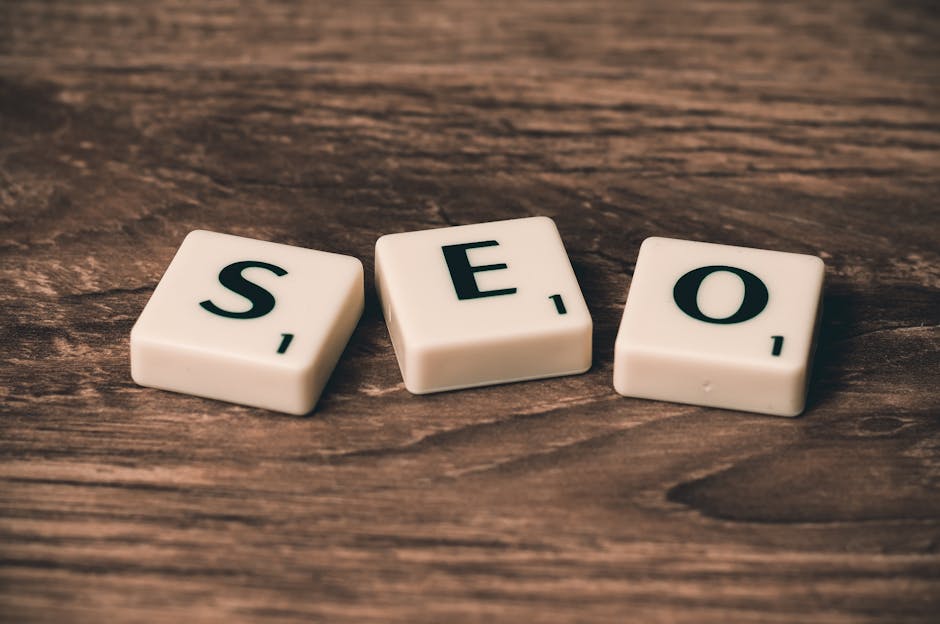
In today's digital landscape, your personal brand is your most valuable asset. Whether you're a coach, consultant, real estate agent, or healthcare professional, establishing a strong online presence has become non-negotiable. SEO for personal brand is the strategic practice of optimizing your digital footprint so that when potential clients, employers, or collaborators search for you or your expertise on Google, you rank prominently and appear as an authority in your field.
Why SEO for Personal Brand Matters More Than Ever
The first impression most people have of you happens online. Before someone books a consultation with a dental practice, hires a real estate agent, or enrolls in a coaching program, they're searching. They're Googling your name, your expertise, and your industry. If you're not ranking on Google's first page, you're essentially invisible to the majority of potential opportunities.
Personal brand SEO isn't about vanity—it's about visibility and credibility. When your name appears in search results alongside authoritative, well-written content about your expertise, you immediately establish yourself as a thought leader. This is particularly crucial for professionals like dentists, salon owners, financial coaches, and restaurant owners who operate in competitive local markets. A dental practice in Dubai, for instance, needs to rank not just for their location but for their expertise and personality that sets them apart from dozens of competitors.
The challenge most professionals face is that building a visible online presence requires consistent content creation, technical optimization, and ongoing monitoring. It's time-consuming, and if you don't know the ins and outs of SEO, the results can be inconsistent. This is where a strategic approach becomes essential. Your personal brand needs regular, high-quality content that targets the right keywords, appeals to your ideal audience, and demonstrates your expertise across multiple platforms.
Moreover, search engines reward freshness and consistency. A single blog post about your expertise won't cut it anymore. Google's algorithm favors websites that publish content regularly, maintain technical health, and build authority through backlinks and consistent optimization. This means successful SEO for personal brand requires an ongoing commitment to content creation and optimization, not a one-time effort.
Building Your Personal Brand Authority Through Content Strategy
Authority is built through demonstrated expertise, and there's no better way to demonstrate expertise than by publishing valuable, well-researched content consistently. Your personal brand needs a content strategy that addresses the questions your ideal clients are asking, showcases your unique perspective, and positions you as someone worth trusting.
Start by understanding what your audience is searching for. A real estate agent needs content about market trends, home buying tips, and neighborhood guides. A dental clinic owner should publish about oral health, common procedures, and patient care. A restaurant owner might create content about culinary trends, menu planning, or local food culture. This audience-first approach ensures your content actually attracts the right people rather than just anyone stumbling across your website.
The foundation of effective SEO for personal brand is keyword research combined with content that serves human readers first, search engines second. Your content should answer real questions, provide genuine value, and reflect your authentic voice. However, this is where many professionals get stuck. They understand the importance of content but lack the time, resources, or technical knowledge to execute it effectively. The inconsistency becomes a barrier to ranking.
Content strategy should also span multiple formats and platforms. Your blog posts should be optimized for Google, but your expertise should also be visible on LinkedIn, in your email newsletters, and across social media. When all these channels reinforce your authority in a particular area, search engines take notice. Google's algorithm increasingly looks at signals across the web, not just your website. A coach with consistent content on their website, regular LinkedIn posts, and growing social proof will rank significantly better than someone posting sporadically.
The consistency factor cannot be overstated. Professionals using platforms that automate content creation and publication maintain a steady stream of optimized articles without the burnout of manual writing. When you publish 15, 30, or even 45 pieces of high-quality, SEO-optimized content monthly, your website becomes a resource hub that search engines favor, and your personal brand becomes undeniable in your industry.
Technical SEO and Google Indexing: The Foundation Nobody Talks About
While content is king, technical SEO is the kingdom that makes it all possible. Your content could be brilliant, but if Google can't properly crawl, index, and understand it, all that effort goes to waste. This is where many personal brands fail silently—they create content but never optimize the technical foundation that tells Google, "This content is important and ready to rank."
Technical SEO encompasses everything from site speed and mobile optimization to proper heading structure, schema markup, and XML sitemaps. For professionals operating on various platforms—whether you're using WordPress, Wix, Squarespace, Shopify, or Webflow—the technical requirements might differ, but the principles remain the same. Your website needs to be fast, secure (HTTPS), mobile-friendly, and properly configured so search engines can index your content immediately upon publication.
One often-overlooked aspect is Google Search Console monitoring. This is Google's direct line to webmasters, showing you exactly how your website performs in search results, which queries bring traffic, and where you have issues. A dental practice in Dubai might discover that they're ranking for broad terms but not for location-specific phrases, or that their mobile experience is hindering performance. A salon owner might find that potential customers are searching for specific services they're not currently optimized for. This data is invaluable.
The indexing speed has become increasingly important. When you publish new content, you want Google to discover and index it as quickly as possible. Traditional indexing can take days or weeks. With modern Google Indexing API submission, your content can be indexed within minutes, dramatically accelerating your content's ranking potential. This is particularly important for time-sensitive topics or when you're publishing frequently.
For personal brands publishing regular content, automating technical optimization is crucial. Features like automatic sitemap generation, meta tag optimization, and structured data implementation ensure every piece of content is technically primed for ranking from the moment it's published. This removes a major bottleneck that typically slows down personal brand growth.
Backlinks and Domain Authority: Earning Your Place at the Top
If content is what gets you noticed by search engines, backlinks are what make search engines trust you. A backlink is simply another website linking to yours, and in Google's algorithm, these links function like votes of confidence. The more authoritative websites linking to you, the more authority your personal brand accumulates. This is why backlink building is non-negotiable in any serious SEO for personal brand strategy.
However, not all backlinks are created equal. A link from a high-authority, relevant website is exponentially more valuable than dozens of links from low-quality sources. A real estate agent's backlink from a prestigious local business directory is far more valuable than random forum posts. A dental practice's mention in a reputable health publication carries more weight than a link exchange with an unrelated website. Quality always trumps quantity in backlink building.
Building backlinks as an individual can feel daunting because you're competing against established media outlets and large organizations. Many professionals think they need to reach out to thousands of websites or pay for expensive link-building services. However, a strategic approach focused on relevant, high-quality opportunities is far more effective. This might include getting mentioned in industry publications, contributing to professional associations, being featured on podcasts, or collaborating with complementary brands in your ecosystem.
For coaches, being mentioned in industry directories and educational platforms builds authority. For restaurant owners, local food blogs and lifestyle magazines are gold. For healthcare professionals, medical directories and health publications provide both traffic and authority. The key is identifying where your ideal audience already goes and where other authorities in your space are getting mentioned.
Many personal brands struggle because building backlinks manually requires relationship-building skills, pitch writing ability, and time. This is why many professionals miss out on significant ranking opportunities. When you have a systematic approach to backlink building integrated with your content strategy, you accelerate your journey to authority. Regular, quality backlinks from relevant sources combined with consistent content publication create a compounding effect that can move you from page three of search results to the coveted first page in six to twelve months.
Integrating Your CRM with Your SEO Strategy
Most professionals treat their content marketing and customer relationship management as separate systems, but this is a missed opportunity. Your SEO strategy and CRM should work together seamlessly. When someone reads your optimized content and becomes interested, they should easily flow into your sales and communication system. This integrated approach transforms random traffic into genuine business opportunities.
Consider a dental practice that publishes content about orthodontic treatments. An interested patient reads the article, clicks to your contact page, and submits an inquiry. This lead needs to be captured immediately, prioritized, and nurtured with the right follow-up communication. If your CRM isn't properly connected to your content efforts, leads fall through the cracks. You've done the hard work of ranking and attracting interested prospects, only to lose them due to poor internal systems.
Modern CRM platforms now include omnichannel communication features. A coach might have prospects reaching out via WhatsApp, email, or social media inboxes simultaneously. Without a unified CRM, managing these different touchpoints becomes chaotic. When your potential clients can reach you through their preferred channel—whether that's WhatsApp, Instagram, or Facebook—and your team can manage all these conversations in one place, you dramatically improve your conversion rates.
An AI chatbot can handle initial inquiries and frequently asked questions, automatically qualifying leads and gathering information before handing them off to your team. This means when your SEO efforts bring traffic and inquiries, your systems are ready to convert them efficiently. A restaurant receiving online inquiries through multiple channels, a salon booking requests across platforms, or a real estate agent managing buyer and seller leads all benefit tremendously from this integration.
The intelligence you gain from your CRM also informs your future content strategy. Which topics do your leads ask about most? What objections come up repeatedly? What questions indicate someone is genuinely ready to buy? This data should flow directly back into your content team's hands so future articles address these proven pain points. This creates a virtuous cycle where your SEO efforts become increasingly targeted and effective.
Executing SEO for Personal Brand at Scale: The Automation Advantage
For most professionals, the biggest barrier to executing a strong SEO for personal brand strategy isn't understanding what needs to be done—it's finding the time and resources to do it consistently. Writing one blog post is manageable. Writing 15, 30, or 45 high-quality, optimized articles monthly while running your actual business is another matter entirely.
This is where automation becomes transformative. Modern AI-powered platforms can handle the heavy lifting of your SEO efforts without compromising quality or authenticity. The platform conducts comprehensive keyword research, identifies the specific terms your ideal clients are searching for, and understands the competitive landscape. It generates article drafts tailored to these keywords while maintaining your voice and expertise perspective. These articles are then automatically optimized for on-page SEO, published to your website, indexed through Google's systems, and tracked for performance.
The consistency this enables is remarkable. A coach or consultant publishing 30 optimized articles monthly builds authority that would typically take years to accumulate through manual efforts. A dental practice in Dubai, a salon owner in London, or a real estate agent in Australia can compete with larger agencies by maintaining superior content velocity. When you're publishing more frequently than your competitors with properly optimized content, you inevitably capture more search traffic.
Backlink building also benefits from strategic automation. Rather than manually pitching hundreds of websites, systems can identify high-quality link opportunities in your industry, generate personalized outreach, and track results. This means you're not just publishing content; you're also systematically building the authority signals that make that content rank higher.
Pipeline management tools ensure that all the traffic and leads generated by your SEO efforts are properly tracked and managed. You can see exactly which content pieces are driving inquiries, which keywords are converting to clients, and where to double down your efforts. This data-driven approach transforms SEO from a guessing game into a predictable, scalable system that directly impacts your bottom line.
The investment in automation pays for itself repeatedly. A professional spending $50 monthly on an automated platform might generate 10-15 new qualified leads monthly from organic search—leads that came at a fraction of the cost of paid advertising. For clinics, salons, restaurants, coaches, and real estate professionals globally, this ROI is undeniable.
Getting Started: Your Personal Brand SEO Roadmap
Starting your SEO for personal brand journey doesn't require a massive investment or complex setup. The first step is understanding your baseline. Search your name on Google. Search the keywords you want to rank for. See what currently appears. Document where you want to be in six months and twelve months.
Next, audit your current website. Does it have a blog? Is it mobile-friendly? Is it fast? Does it clearly communicate your expertise? Often, simple fixes can dramatically improve your rankings. Ensure your website is built on a platform that supports SEO—whether that's WordPress, Wix, Squarespace, Shopify, Webflow, or another option.
Then comes the strategic piece: keyword research. What are your ideal clients actually searching for? This requires getting into your customers' heads. A dental practice should research terms like "best dentist near me," "teeth whitening," and "dental implants." A restaurant might target "where to eat," "best cuisine," or "reservation available." A real estate agent should focus on neighborhood guides, market trends, and property-specific searches. These keywords should form the foundation of your content strategy.
Content creation and publication should follow a consistent schedule. Whether you're publishing weekly, twice weekly, or multiple times weekly, consistency matters more than frequency initially. Start with a schedule you can maintain long-term.
Finally, monitor your progress. Use Google Search Console to track which keywords you're ranking for, your average ranking position, and which content drives traffic. Most professionals see noticeable improvements within three months of consistent effort and substantial improvements within six to twelve months.
For those without the time to manage this manually, platforms offering automated keyword research, AI-powered article writing, immediate Google indexing, and backlink building can compress this timeline significantly. Starting with a foundational plan and scaling up as results appear is a smart approach that proves ROI before major investment.
SEO for personal brand is no longer optional in a world where your online reputation precedes you. By consistently publishing high-quality, optimized content, building relevant backlinks, and properly integrating your content with your customer relationship systems, you establish yourself as an authority in your field and attract ideal clients at scale. Whether you're a coach in London, a dental practice in Dubai, a salon owner in Australia, or a real estate agent anywhere globally, the principles remain the same—visibility drives opportunity. Consider starting with LeadOS's $5 seven-day trial to experience how AI-powered content automation, built-in CRM, and comprehensive SEO tools can accelerate your personal brand's growth with minimal time investment.
Everything Included in Auto SEO
AI Keyword Research
Finds the highest-value keywords for your exact business niche automatically.
Expert Article Writing
Long-form, 1,500–3,000 word articles written by AI trained on your industry.
Automatic Publishing
Articles appear on your website automatically every week — no manual upload.
Google Indexing API
Every article submitted to Google's Indexing API within 24 hours of publishing.
Backlink Building
Monthly directory submissions to high-authority sites to grow your domain authority.
GSC Monitoring
Connected to Google Search Console to track rankings and clicks in real time.
Featured Images
AI selects and adds relevant featured images to every article automatically.
Any Website
Works on WordPress, Wix, Squarespace, Shopify, Site123 — any website with custom HTML.
Local SEO
Articles target your city, suburb and region to rank in local Google searches.
Simple, Transparent Pricing
Simple monthly pricing. Cancel anytime.
Frequently Asked Questions
What is SEO for personal brand and why does it matter?
SEO for personal brand is the practice of optimizing your online presence so that search engines rank your website, blog, or content higher when people search for you by name or your area of expertise. This matters because most people research professionals online before engaging with them, and ranking on the first page of Google dramatically increases visibility, credibility, and business opportunities. With LeadOS, you can automate this process by publishing SEO-optimized articles across your personal brand site, helping you dominate search results in your niche.
How long does it take to see results from personal brand SEO?
Most personal brands start seeing noticeable improvements in search rankings within 3-6 months of consistent SEO efforts, though some competitive keywords may take longer. The timeline depends on factors like domain authority, content quality, competition level, and consistency of publishing. LeadOS accelerates this with its auto SEO plans that publish 15-45 optimized articles monthly plus high-quality backlinks, giving your personal brand the consistent signal search engines need to rank you faster.
Does SEO for personal brand work for all industries and professions?
Yes, SEO for personal brand is effective across virtually all industries—from consultants and coaches to executives, creators, and service providers—because people in every field have a digital footprint that can be optimized. The key is targeting keywords related to your expertise, location, and services rather than competing on overly broad terms. LeadOS works on any website and adapts to your industry, making it possible to rank for personal brand keywords whether you're an entrepreneur, thought leader, or professional expert.
What's the difference between ranking for your name vs. ranking for your expertise keywords?
Ranking for your personal name (branded keywords) is easier and typically happens naturally with consistent content, but has limited traffic potential since fewer people search for you by name. Ranking for expertise keywords—like 'SEO consultant in [city]' or 'content strategy for SaaS'—is more competitive but drives significantly more qualified traffic to your personal brand. The best strategy combines both: LeadOS helps you do this by optimizing articles for both your branded terms and high-intent expertise keywords that attract your ideal audience.
Can I do personal brand SEO on my own, or do I need a service?
You can do personal brand SEO independently, but it requires significant time investment in keyword research, content creation, technical optimization, and link building—activities that most professionals can't sustain alongside their core work. Many personal brands outsource or use automation tools to maintain consistency without sacrificing their time. LeadOS offers a middle ground with its affordable auto SEO plans ($29-$79/month) that handle article creation and backlink building for you, allowing you to focus on your actual expertise while your personal brand climbs Google rankings.
Start Ranking on Google This Week
Join businesses already using LeadOS to publish weekly SEO articles and grow their organic traffic automatically.
Start Ranking on GooglePlans from $29/mo · Cancel anytime